
Cycling Design Projects – Outer Harbor Greenway Investigation & Concepts
Key Highlights
CLIENT
City of Port Adelaide EnfieldLOCATION
Outer Harbor Greenway, Port AdelaideTYPE OF WORK
Investigation and DesignProject Summary
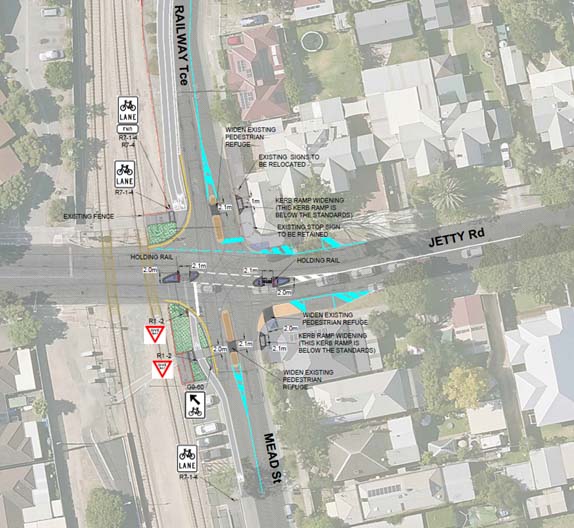
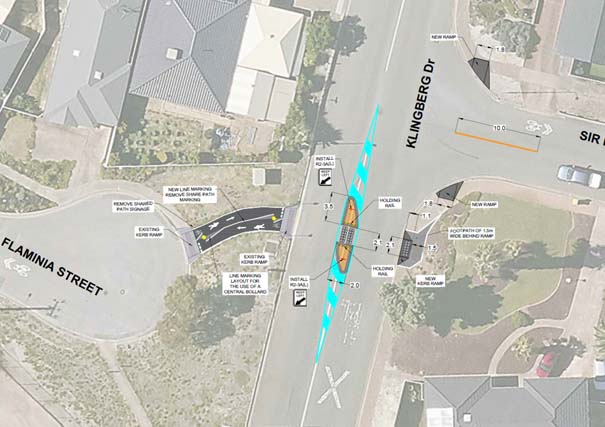
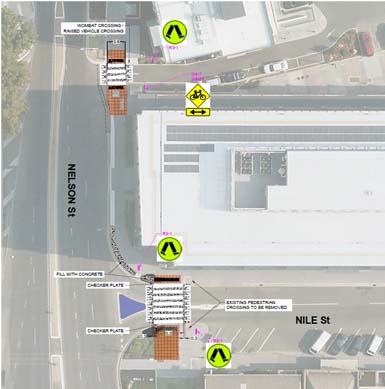
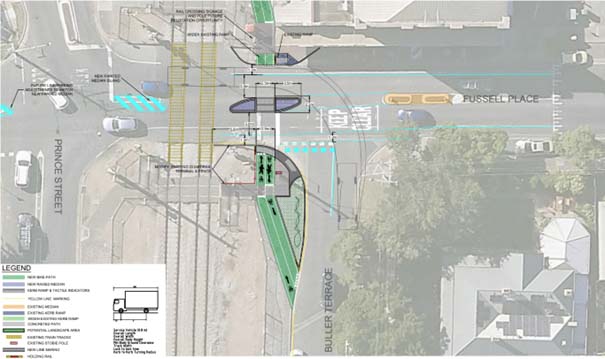
Sproutt was engaged by the City of Port Adelaide Enfield for the investigation and concept design of improvements to cycling infrastructure along the Outer Harbor Greenway. The project involved a review of the Outer Harbour Greenway throughout Port Adelaide Enfield. Locations of focus include Buller Terrace & Fussell Place, Russell Street & Grand Junction Road, Nile Street to Nelson Street, Mead Street & Semaphore Road, Mead Street, Railway Terrace & Jetty Road, Railway Terrace (Largs Bay), Railway Terrace, Fletcher Road & Carnavon Terrace, Strathfield Terrace & Railway Terrace, Osborne Road, Flaminia Street, Klingberg Drive & Sir Keith Smith Drive, and Lady Ruthven Drive & Flaminia Street.
Sproutt reviewed traffic calming and cyclist improvements on the Greenway for on-road sections; a review of connections and crossing points where the off-road section interfaces with the local road network; and a review existing off-road paths for design improvement. As local road traffic volumes have increased over time, traffic interventions may be required to ensure the Greenway caters for cyclists of all abilities. This project identified these sections of roads and developed design solutions to improve cycling.
Our Approach
Sproutt met the client for a walkover of all the sites before commencing a safety review and subsequent design work. The Council then reviewed the plans and feedback was incorporated into the final deliverables. A Traffic Impact Statement was prepared to seek approval for the improvements.
Outcomes
Sproutt delivered 30% design concepts outlining proposed safety and connectivity improvements along the Outer Harbor Greenway, focusing on key intersections, on-road sections, and off-road paths within Port Adelaide Enfield. These preliminary designs address traffic calming, cyclist accessibility, and integration with the local road network, providing the Council with a clear foundation for future detailed design and implementation to support safer, more inclusive cycling infrastructure.
